1. Pre-Operation Preparation
1. Read the Manual:Thoroughly study and understand the manufacturer’s operation & maintenance manual. Procedures vary by model.
2. Staff Training:Operators must be fully trained on equipment functions, safety protocols, emergency procedures, and hygiene standards. Untrained personnel must not operate the machine.
3. Personal Hygiene & PPE:
Wear clean uniforms, hairnets (fully covering hair), and masks if required.
Wash and sanitize hands thoroughly before operation.
Remove jewelry, watches, or loose items that could contaminate food or cause injury.
Use heat-resistant gloves (for hot components), non-slip shoes, and other PPE as needed.
4. Equipment Inspection:
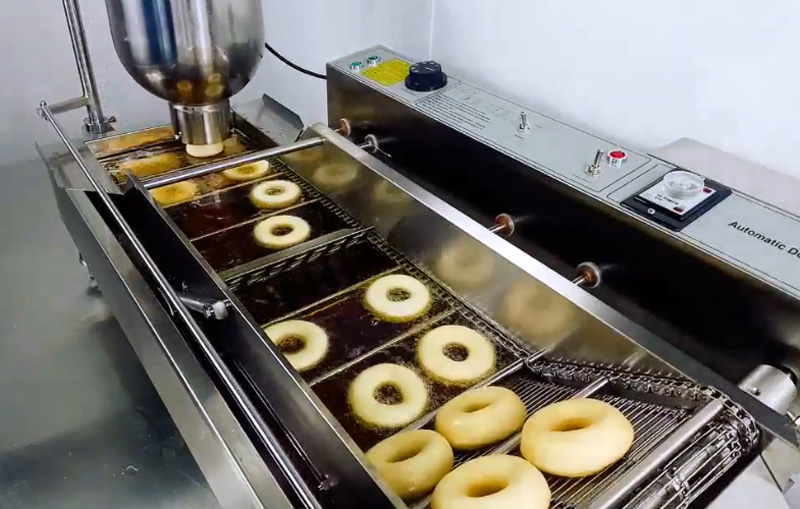
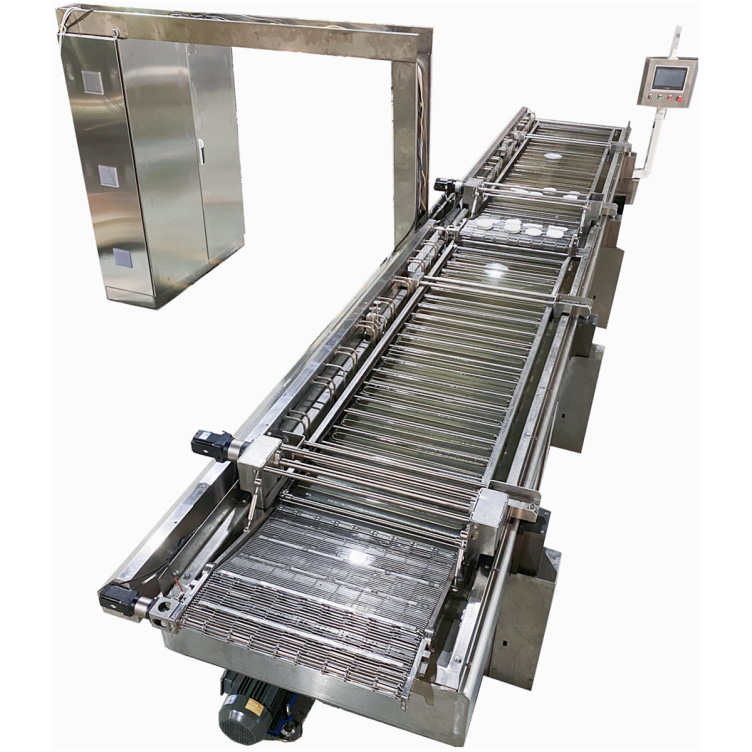
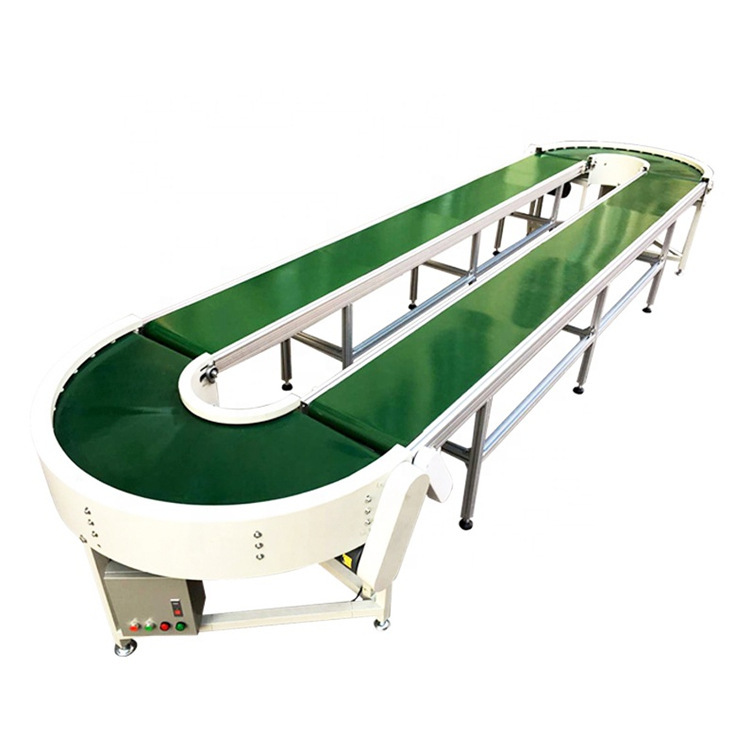
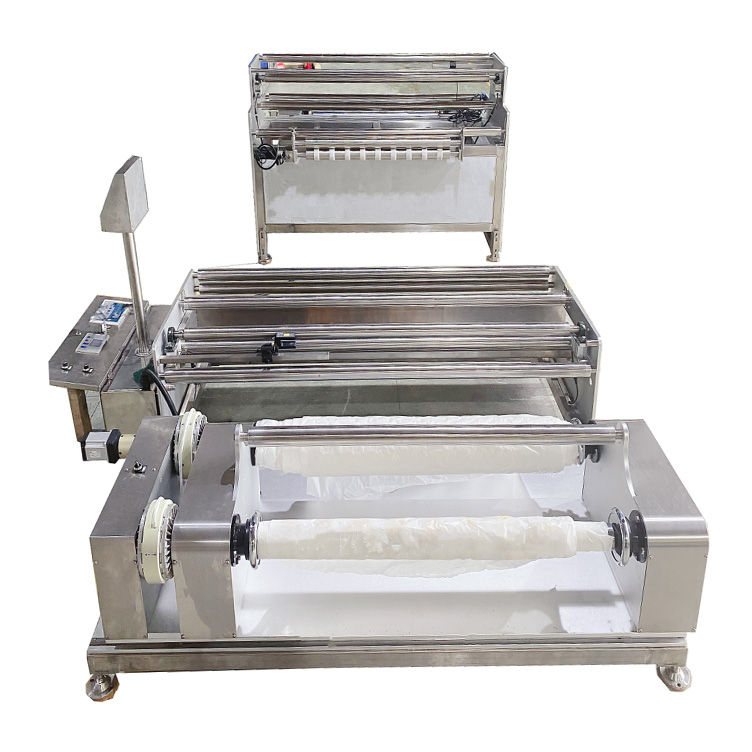
**Pre-Start Check: Ensure all parts (conveyors, cutters, molds, fryer vat, topping applicators) are intact, secure, and free of obstructions.
**Lubrication:** Apply food-grade lubricants to specified points as per the manual.
**Cleaning & Sanitizing:**Before every production run:** Deep clean and sanitize *all* food-contact surfaces (dough hoppers, conveyors, molds, fryer baskets/belts, cooling belts). Verify no detergent residue remains. Repeat cleaning post-production.
**Electrical/Pneumatic Check:** Inspect power cords, plugs, and air lines for damage. Ensure proper grounding.
5. Material Preparation:
Use approved ingredients (flour, sugar, oil, yeast, etc.).
Ensure dough consistency and temperature meet specifications. Improper dough affects shaping and frying.
Use certified frying oil. Monitor acid value & peroxide levels regularly; filter or replace oil promptly.
2. Operation Phase
1. Startup & Running:
Follow the prescribed startup sequence.
Run the machine empty or at low speed initially. Check for abnormal noises, vibrations, or misalignment.
Gradually introduce dough and increase to target speed once stable.
2. Parameter Monitoring & Adjustment:
**Frying Temperature (CRITICAL):** Monitor constantly with calibrated thermometers. Maintain within the target range (typically 180-190°C / 356-374°F). Excess heat causes burning/harmful compounds; low heat increases oil absorption & undercooking.
**Frying Time:** Synchronize with conveyor speed for consistent color and doneness.
**Oil Level/Quality:** Maintain proper oil volume. Skim debris regularly. Filter or replace oil based on usage and test results. Avoid degraded oil.
**Dough Consistency:** Monitor uniformity and shaping quality. Adjust dough or machine settings (cutter pressure, mold gap) as needed.
**Conveyor Speed:** Ensure synchronization between forming, frying, cooling, topping, and packaging sections to prevent jams or stretching.
3. Safety Protocols:
**⚠️ NO HANDS-ON OPERATION:**NEVER** touch moving parts (conveyors, blades, agitators, chains, gears) or hot surfaces while the machine is running! Clear jams, adjust, or sampleONLY AFTER** stopping, locking out (LOTO), and powering down.
**⚠️ High-Temperature Hazards:** Fryer vats, oil pipes, heating elements, and freshly fried donuts are extremely hot. Maintain distance, use long-handled tools (nets, tongs), and heed warning signs.
**Electrical Safety:** Keep the machine dry. Prevent water/oil ingress into electrical panels. Never operate switches with wet hands. Stop immediately and report electrical issues (smoke, sparks, burning smell).
**Machine Guarding:** Do NOT remove safety guards, covers, or emergency stops. Ensure they function correctly.
**Emergency Stops:** Know E-stop button locations. Activate instantly in emergencies (entanglement, critical malfunction).
**Slip Prevention:** Clean spills (oil, water, dough, icing) immediately. Keep the floor dry and clear.
4. Sanitation Control:
Prevent non-production items (tools, cleaning gear, personal items) from contacting food zones, ingredients, or products.
Clean flour, sugar, or oil splatter from surfaces during downtime.
Sanitize utensils (scrapers, bowls) at scheduled intervals.
Discard ingredients or semi-finished products that fall on the floor.
3. Post-Operation & Maintenance
1. Shutdown Procedure: Follow the correct sequence. Typically: Stop feeding → Allow product to clear → Stop heating → Stop conveyors after cooldown.
2. Thorough Cleaning & Sanitization:**Begin immediately after shutdown!** Once safe (especially fryer), disassemble removable parts. Scrub, rinse, and sanitize *all* food-contact and non-contact surfaces using food-safe agents. Ensure no residue remains. Rinse with clean water and air-dry. Pay attention to hard-to-reach areas.
3. Scheduled Maintenance:**
Perform maintenance per the manufacturer’s schedule (e.g., lubricant replacement, belt/chain tension checks, bolt tightening, heating element inspection, sensor calibration).
Maintain maintenance logs.
4. Troubleshooting:** In case of malfunction:Stop → Lockout/Tagout (LOTO) → Notify qualified technicians.** Operators must not attempt repairs. Clean, sanitize, and test equipment after repair.
Key Summary
* Safety First: Guard against mechanical injury, burns, and electrical hazards. Use safety devices and E-stops.
* Hygiene Paramount: Rigorous cleaning and sanitization are essential for food safety.
* Precision Parameters:Oil temperature and time are critical for product quality and safety.
* Procedure Compliance:Strictly follow manuals and protocols. Avoid shortcuts.
* Preventive Maintenance: Reduces downtime, extends equipment life, and ensures consistency.
* Complete Documentation: Maintain production, cleaning, maintenance, and oil quality records.
Adhering to these guidelines protects operators and guarantees the production of safe, hygienic, and consistent donuts.** Always refer to your specific equipment’s manual for detailed procedures.